Animal Management Program
Caring for Animals in West Arnhem
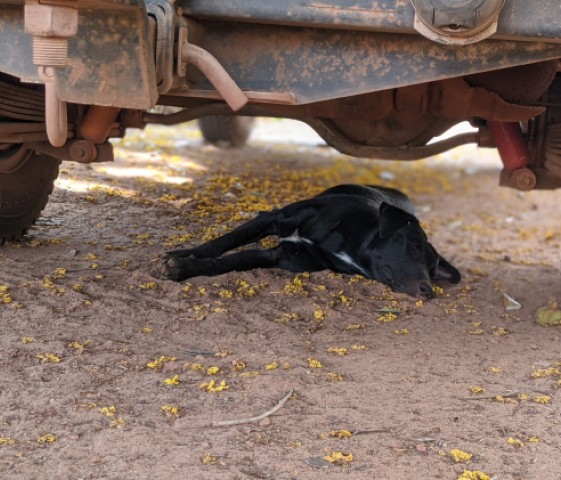
West Arnhem Regional Council's animal management program is delivered by the West Arnhem Land Dog Health Program (WALDHeP), led by The University of Melbourne.
This collaborative effort provides essential veterinary care to companion animals in remote Indigenous communities across the West Arnhem region. It is strongly supported by the Local Authorities in the West Arnhem region.
Program Overview
The program aims to improve animal health and welfare, which in turn enhances community wellbeing and amenity.
Key aspects of the program include:
- Providing comprehensive veterinary services and education
- Training local staff in animal handling and treatment
- Developing effective animal management strategies for remote communities
Veterinary Services
The program offers a range of treatments and procedures, including:
- Health checks
- De-sexing (spaying and castrating)
- Parasite control (tick/mange injections, flea treatment, tick spraying)
- Minor surgeries as required
- Vaccinations and immunisations are an additional cost
Vet Schedule
2026 program dates:
Community |
2026 Dates |
|---|---|
| Jabiru/ Town Camp | Thursday 16 April – Friday 17 April 2026 Thursday July 2 to Saturday July 4 Jabiru - Friday, 9 October Town Camp - Saturday, 10 October Bowali - Sunday, 11 October |
| Gunbalanya | 29 June – 3 July 2026 21 September – 25 September 2026 |
| Maningrida | 29 April – 8 May 2026 6 July – 10 July 2026 10 August – 21 August 2026 14 September – 18 September 2026 |
| Warruwi | 6 July – 8 July 2026 21 September – 23 September 2026 |
| Minjilang | 9 July - 10 July 2026 24 September - 25 September 2026 Third visit dates TBC |
Community Impact
The animal management program contributes significantly to:
- Improved animal health and welfare
- Enhanced community wellbeing
- Better overall community amenity
The experienced veterinary team works closely with West Arnhem Regional Council staff to provide training in animal handling and the delivery of anti-parasitic treatments and medications.
Further Information
This program is affiliated with Animal Management in Rural and Remote Indigenous Communities (AMRRIC).
For more information or to access these services, please contact your local Council Office.